
Blog
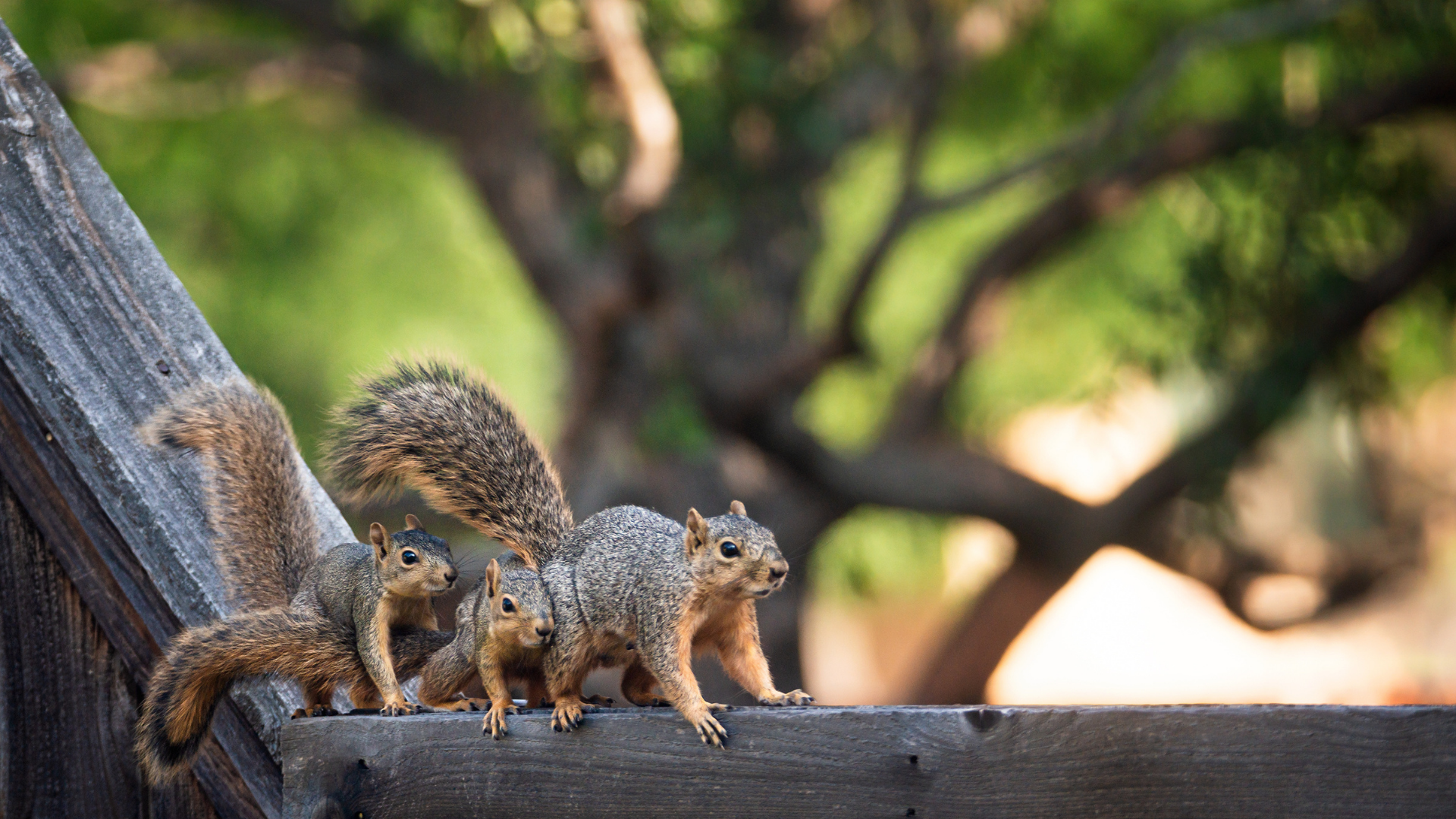
Frequent exposure to humans can change animal behavior, increasing property conflicts, dependence on human food sources, and interactions in residential areas.
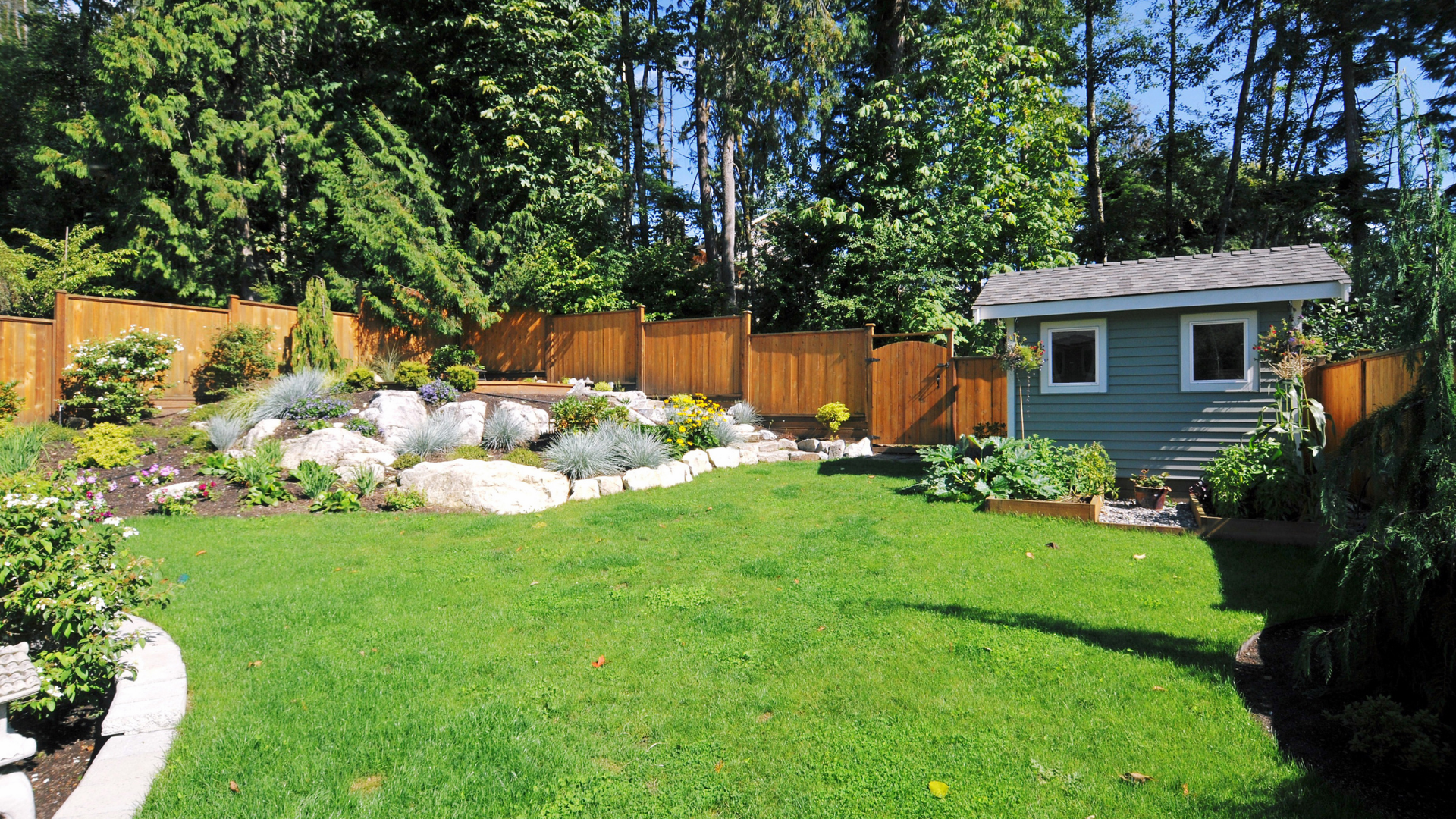
Outdoor structures often provide darkness, protection, nesting areas, and easy access for a wide range of wildlife species.

Locally owned teams respond more quickly, adapt to regional wildlife behavior, and maintain stronger relationships with property owners.
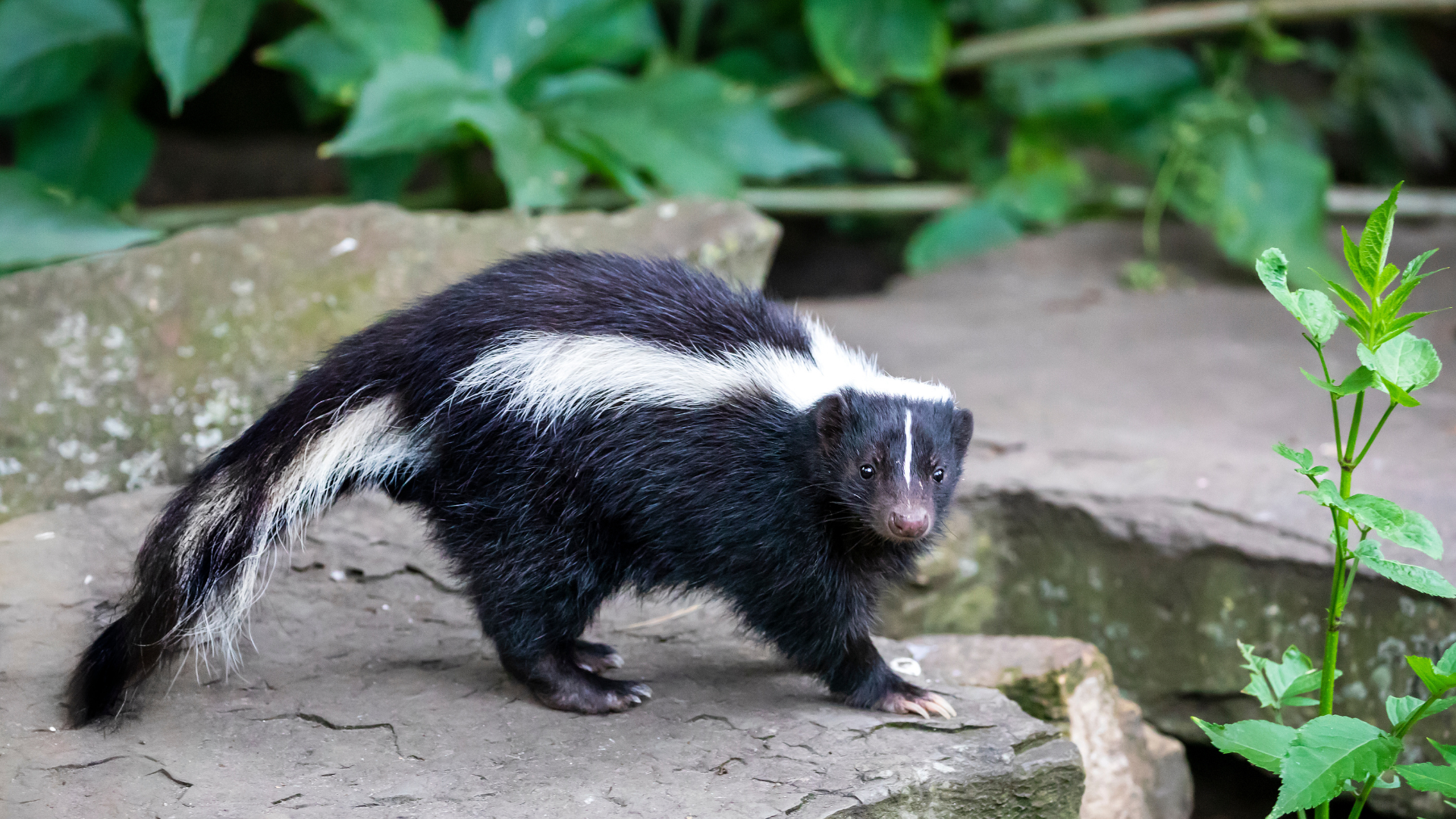
Awareness of skunk behavior, movement patterns, and response actions helps reduce encounters and manage odor if a spray occurs.

Identifying animal activity early reduces closing delays, repair disputes, and last-minute negotiations.
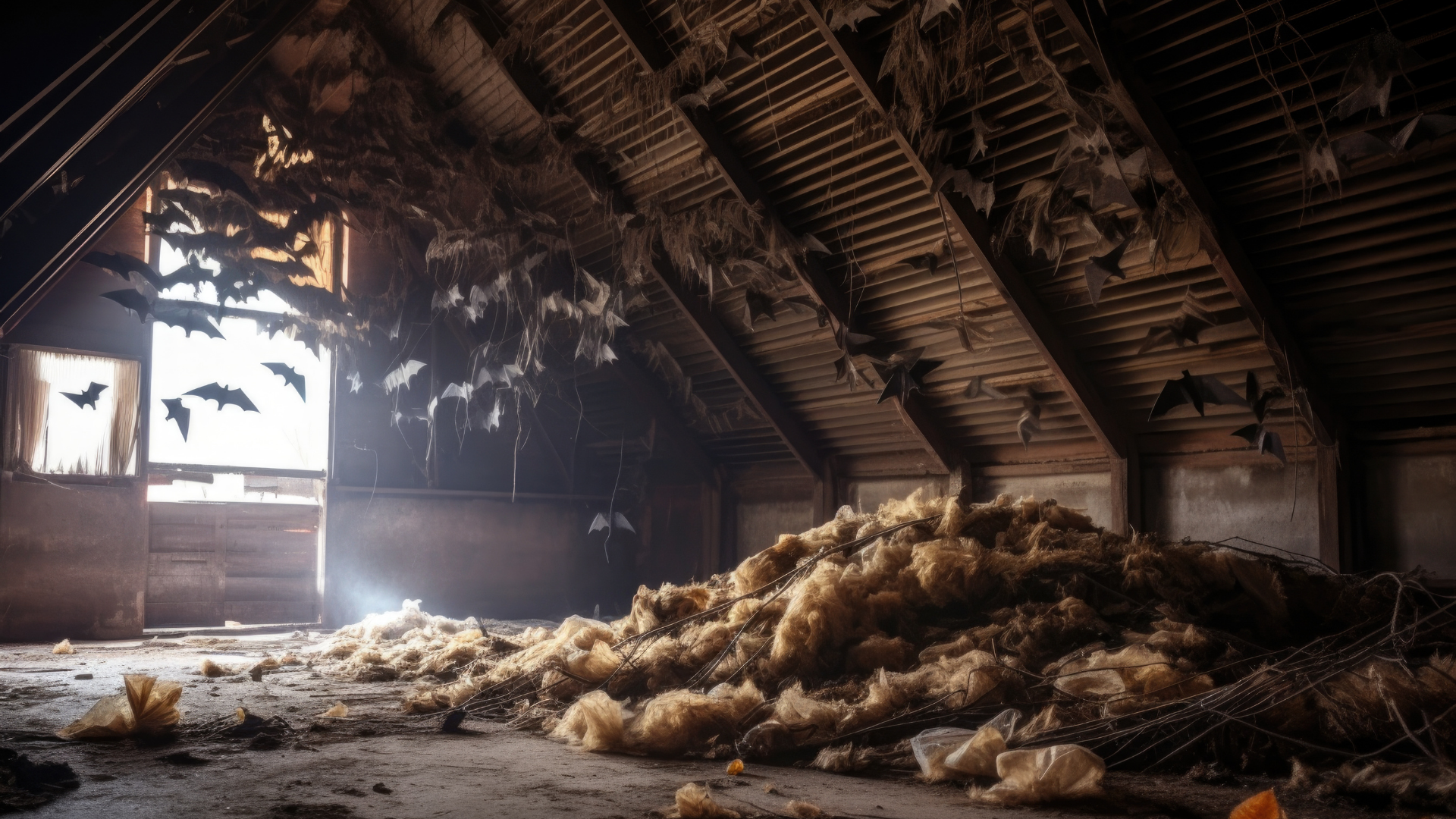
Moisture and airflow disruption increase fungal growth.
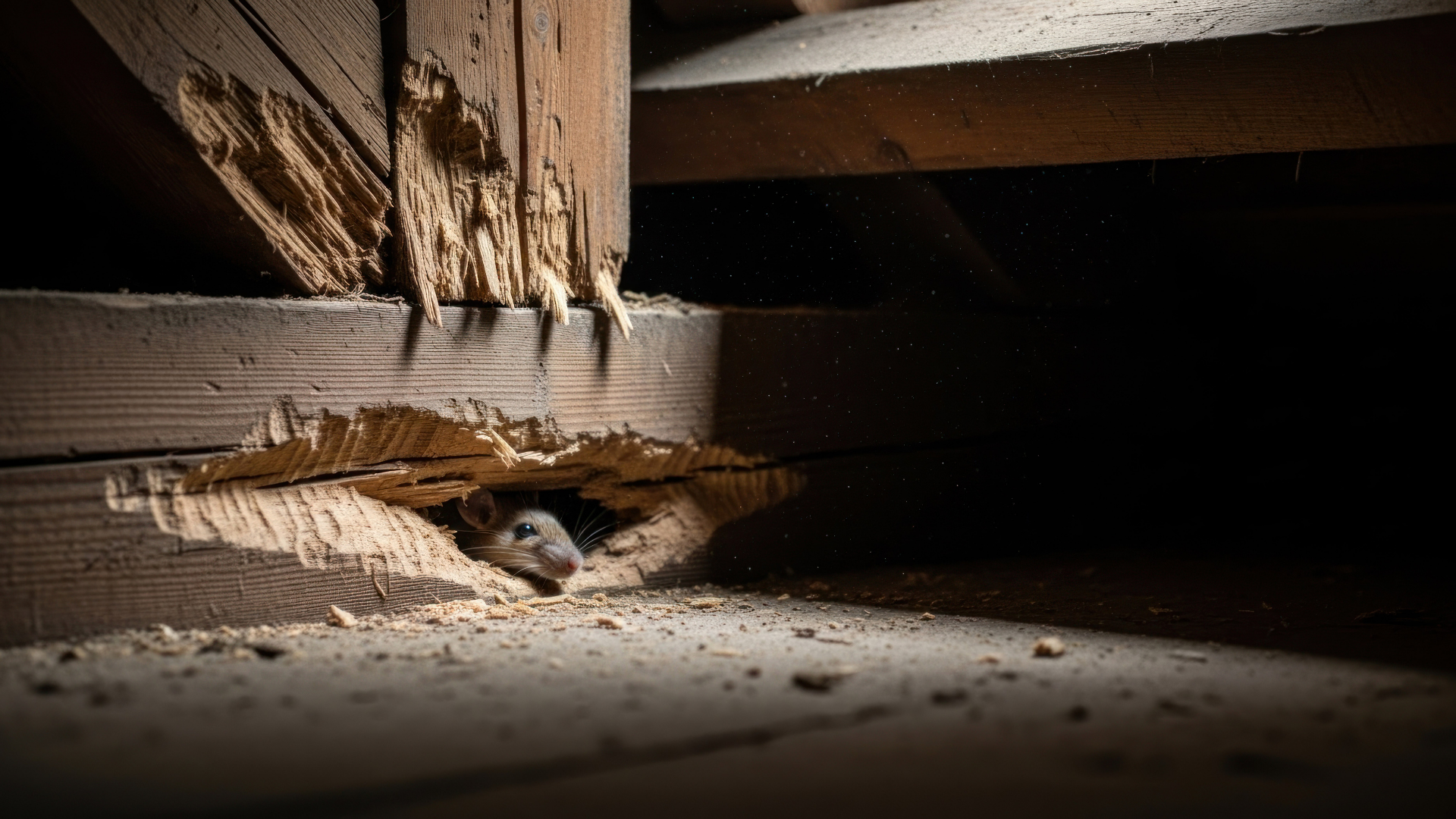
Cleanup and repairs address contamination and structural damage.